
How Much Does a Waste Shredder Cost? Free Material Trials at the Factory | Jushengding
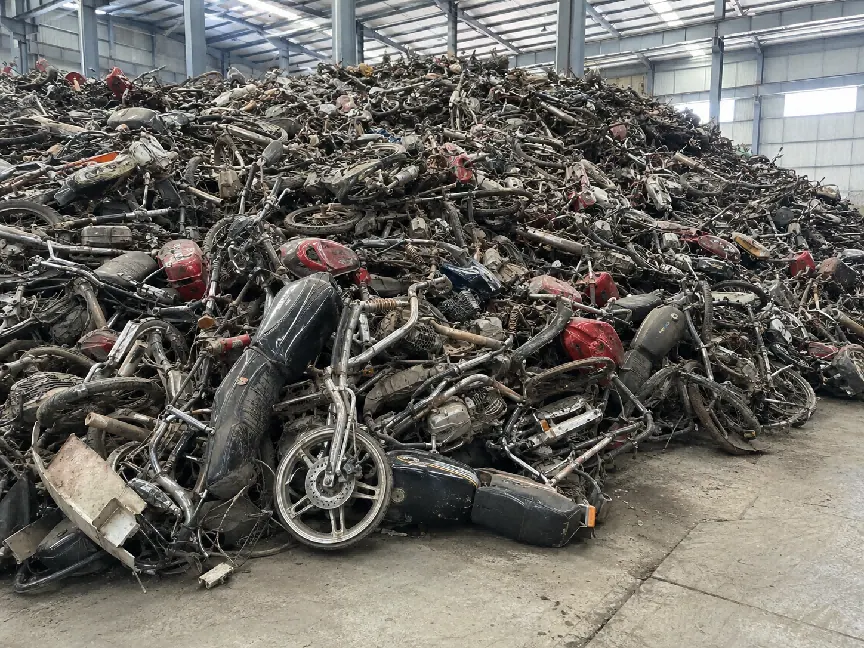
With circular economy, zero-waste city and industrial waste recovery policies taking hold, demand keeps surging for processing bulky waste, industrial residues, waste tires, agro-forestry waste, e-waste and mixed plastics. Shredding is the first core stage of any recovery line — and the shredder's capacity, wear performance and material fit directly determine project returns and environmental compliance.
Most waste processors, recyclers and environmental contractors hit the same question at the planning stage: how much does a waste shredder cost, and how should equipment be selected for different materials and capacities? Market prices span a huge range — from tens of thousands to over a million RMB — and under-specified machines bring blockages, rapid cutter wear, compliance failures and capacity shortfalls that stretch the payback period badly. Jushengding develops and manufactures the full shredder range — single-shaft, double-shaft, four-shaft and mobile shredding plants — and offers free material trials on customer-shipped samples plus site visits to operating projects, so selection rests on evidence rather than guesswork.
1. Price Ranges and the Four Factors That Set Them
There is no fixed price for a waste shredder. As with any custom industrial equipment, a complete set (main machine + feeder + conveying + screening/dust control) spans from tens of thousands of RMB to a million or more — export pricing from USD 11,600 — with output sizes of 10–300 mm and throughput of 1–50 t/h. Four core factors determine the final quotation, and they are what buyers should weigh when comparing:
1. Machine type and overall scale (the core price driver)
A small single-shaft shredder is structurally simple, suited to low-volume, light material, with the lowest entry cost. Heavy double- and four-shaft shredding lines are built for bulky, tough, metal-laden composite waste — high-torque drives, thickened frames and multiple wear-resistant cutter modules push development and manufacturing costs higher. Mobile shredding plants integrate feeding, shredding, conveying and basic sorting on one chassis, need no fixed building, and suit job sites and multi-point waste generation — the premium complete option with the highest investment.
2. Rated throughput and optional configuration
A 5 t/h line and a 50 t/h automated line differ completely in shaft, cutter box, motor and gearbox specifications, with a clear base-price gap. Options add directly to the total: intelligent online monitoring, fully automatic centralized lubrication, pulse dust-and-noise control, remote fault diagnosis, automatic magnetic sorting and variable-frequency feeding — fitted and costed as needed.
3. Physical characteristics of the material
Different waste places very different demands on wear resistance, impact strength and shear force, changing cutter material, shaft strength and drive costs:
- Light, thin material — cardboard, film, soft plastics — runs on standard wear-resistant cutters at lower machine cost;
- Hard composite material — waste tires, metal-laden appliances, steel-armored cable, solid wood furniture — requires custom alloy-steel cutters and reinforced shafts, raising the machine cost.
4. Brand R&D strength and lifecycle after-sales
Traders without their own production line may quote low, but short wear-part life and frequent failures make later repair and replacement costs very high. Jushengding runs its own machining workshop, self-developed shredding technology, a nationwide project reference base and a full after-sales network. Strict factory inspection means longer machine life and lower lifecycle operating cost — brand value shows in years of stable production, not just the initial purchase price.
2. Jushengding's Full Shredder Range, Matched by Material
No single machine processes every solid waste stream. Jushengding organizes four mature shredding product lines by material hardness, size and wrapping behavior, covering coarse, intermediate and fine shredding plus mobile on-site work:
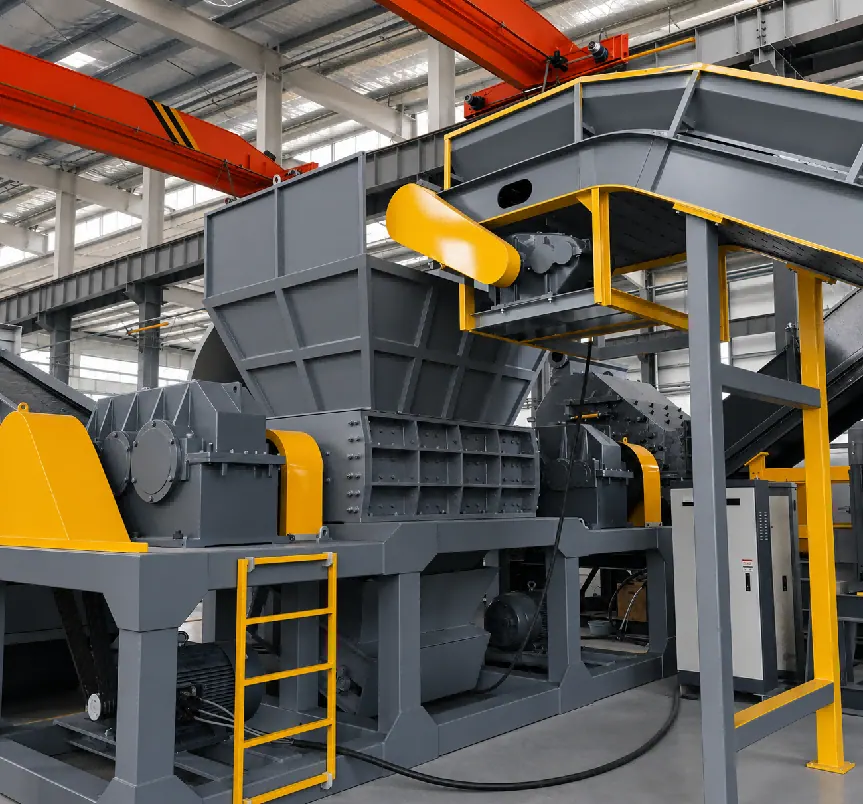
1. JSD-D Series Double-Shaft Shredder (the coarse-shredding workhorse)
Built on low-speed, high-torque shear shredding with a modular removable cutter box and individually replaceable blades, it takes heavy impact in stride. Suited to bulky sofas and mattresses, whole tires, agro-forestry branches and straw, leather and textiles, mixed metal-bearing waste and demolition debris — the front-end coarse shredder that reduces and opens up oversized material for the whole line.
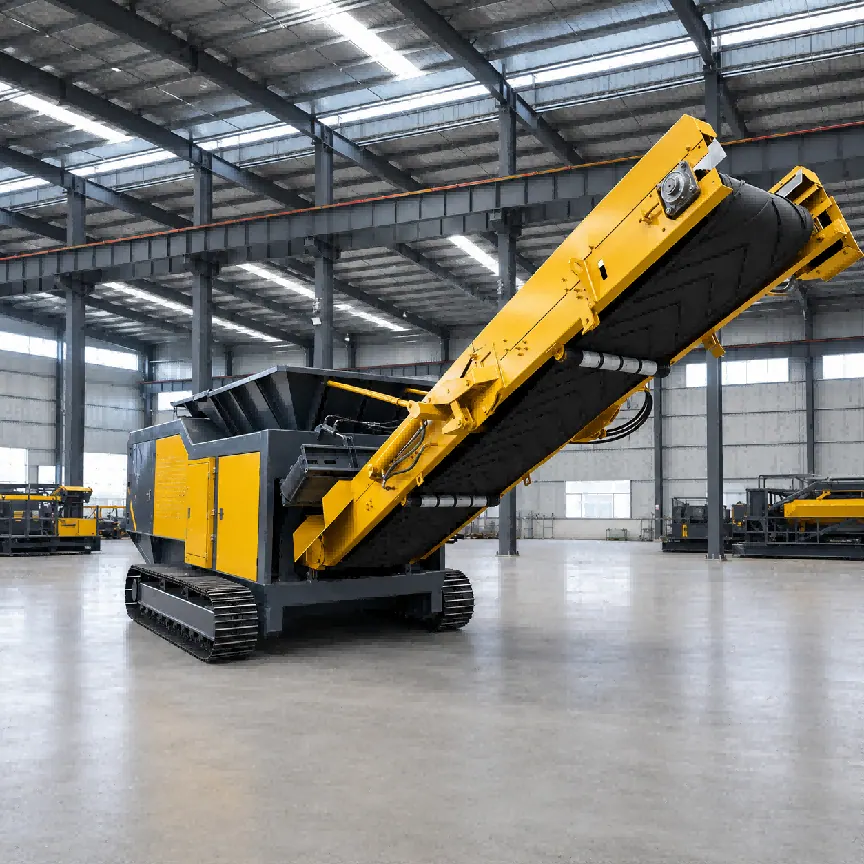
4. Mobile Shredding Plant (flexible, site-independent option)
Feeding, shredding, conveying and basic sorting integrated on one unit — it moves straight to demolition sites and scattered waste points and starts work quickly, no civil construction or fixed line required. Ideal for tight sites, multi-point rotating duty and short-term project processing.
3. Five Selection Criteria to Avoid Paying More for Less
Many buyers compare quotations alone and ignore material fit, build quality, environmental compliance and long-term operating cost — a recipe for losses. Jushengding's five selection essentials:
1. Define your material and capacity requirements precisely
Establish the basics up front: waste type, contaminant content, feed size, moisture and target output size, plus daily/hourly throughput. Only then can the engineering team match the optimal model — avoiding both oversized machines that waste investment and undersized ones that jam and underproduce.
2. Verify the durability of the core structure
Steel thickness, shaft forging quality and cutter materials are the foundation of stable operation. Jushengding cutter boxes use thickened plate with full annealing; shafts and cutter bodies are high-strength special alloy steel — resisting deformation and blade chipping on hard mixed material and sharply reducing wear-part replacement.
3. Check intelligent features and environmental compliance
A modern shredder is no longer bare heavy machinery — intelligence and compliance are essentials:
- The self-developed JSD intelligent monitoring system tracks load, temperature and current in real time, with automatic fault warnings and remote diagnosis to reduce on-site staffing;
- Fully enclosed bodies with pulse dust collection and noise control meet local inspection standards and avoid shutdown orders.
4. Cost the whole lifecycle, not just the sticker price
The purchase price is a one-time outlay; energy, cutter replacement and downtime losses are the larger long-term costs. Compare total purchase price + annual electricity + annual wear parts + repair labor. Jushengding's energy-efficient drives and longer cutter life mean a slightly higher entry price than workshop-grade machines, but substantially lower total cost over 3–5 years.
5. Verify the factory, references and after-sales system in person
Prefer source manufacturers with mature projects on your material type, and visit operating sites. Confirm after-sales coverage, fault response times, spare-part inventories and free operator training.
4. Four Reasons to Choose Jushengding: Complete Solutions, Not Just Machines
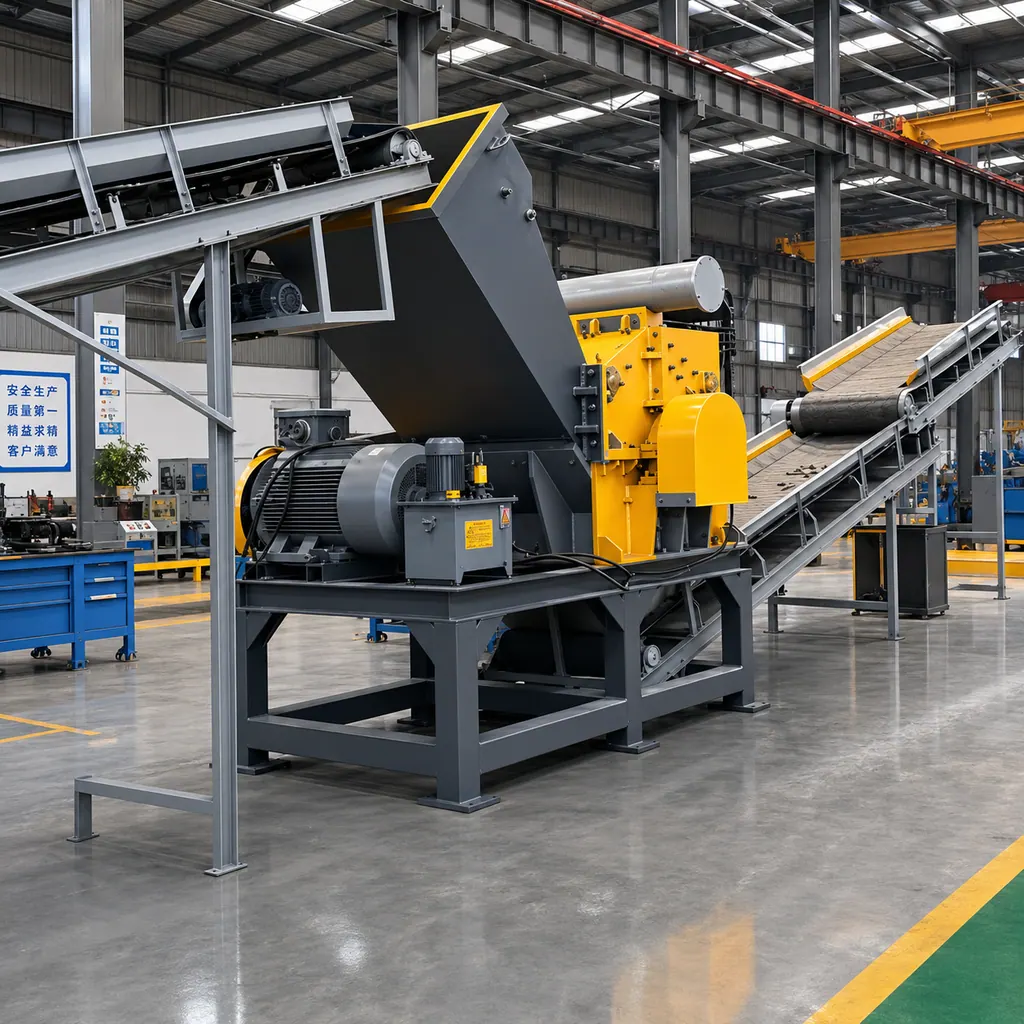
Selling a shredder alone does not solve the customer's plant-building challenges. Jushengding focuses on project delivery, with value-added services that address selection, commissioning and operation end to end:
1. Free material trials, with real data behind every selection
On our standardized trial line, customers ship representative waste samples and our engineers simulate real production — issuing a detailed report covering actual hourly throughput, output quality, energy use and cutter wear. Machines are selected on measured data, not paper specifications.
2. Site visits to operating projects nationwide
Hundreds of running lines cover bulky waste, RDF fuel preparation, agro-forestry shredding, tire processing and appliance dismantling. Customers see continuous operation, output quality and workshop environmental systems first-hand.
3. One-to-one process customization
No forcing of standard models: combining trial data with your site footprint, environmental policy and daily capacity budget, our engineers design a dedicated line configuration — trimming redundant machines, controlling total investment and balancing capacity with value.
4. One-stop lifecycle service
Coverage spans plant layout planning, on-site installation and commissioning, and free operator training; after start-up, full wear-part inventories, scheduled maintenance reminders and rapid nationwide on-site repair keep the line producing and earning.
5. Industry Outlook and Purchasing Summary
With environmental controls tightening and restrictions growing on landfill and open burning, prices for recovered materials and alternative fuels keep rising steadily — waste shredding lines have become low-risk, stable-return environmental investments. As the line's core investment, a shredder should never be bought on price alone: material fit, durability, environmental features, after-sales and trial data all matter. With self-developed technology, a complete equipment matrix, free trials and site visits, Jushengding solves waste shredding end to end — turning waste into sellable recovered material while meeting compliance and growing income.
Book a free trial and get a tailored quotation
If you are preparing a waste processing plant and unsure which model fits — or want accurate pricing for a complete shredding set — contact Jushengding anytime. Send your material type and capacity requirements to book a free material test and a project site visit; our engineers will prepare a complete one-to-one process proposal and itemized quotation to support your project from start to finish.