Solutions

Plastic Crushing & Recycling Line

  • Plastics Recovery and Reuse
  • Waste plastics recycling and regeneration
  • 2. Injection molding scrap processing
  • 3. Appliance and e-waste dismantling
  • 4. Automotive plastic parts recovery
  • 5. Packaging film and woven bag recycling
  • 6. Safe processing of medical plastics
  • 7. 3D printing material pre-processing

Plastics recycling converts waste plastic into recovered resources through collection, washing, crushing and melting. The process handles PET bottles, HDPE containers, PP packaging and many other plastic waste streams, turning them into recycled pellets used across packaging, textiles, construction, automotive manufacturing and 3D printing. Recycling plastic reduces pollution and saves 30–50% of the energy of virgin production, lowering costs. Driven by new technologies such as chemical recycling and intelligent sorting — and by environmental policy worldwide — the plastics recycling industry is growing fast, a key link in the circular economy with major market potential.

Processing

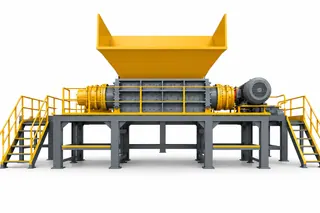
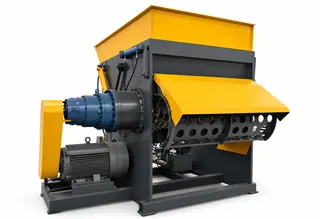
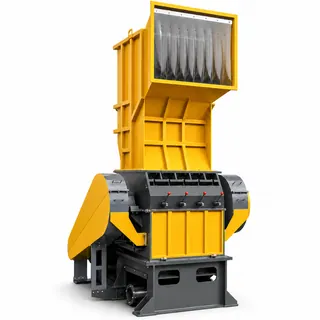
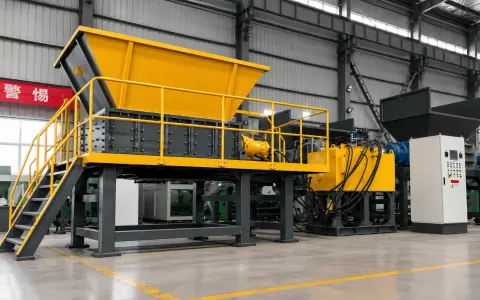
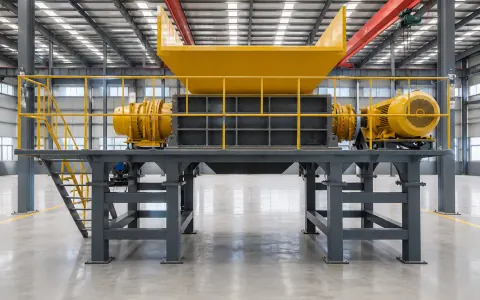
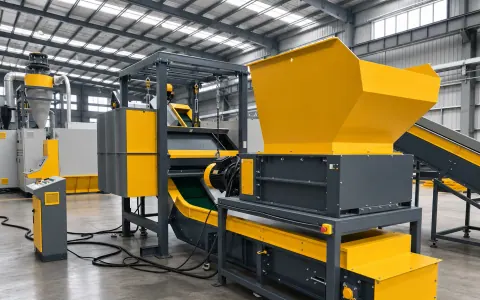
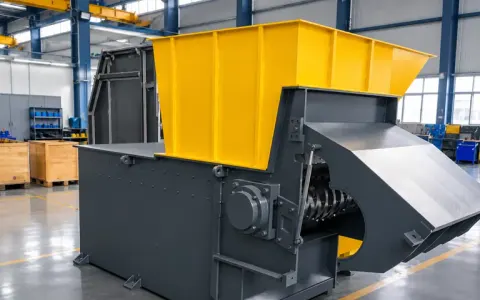
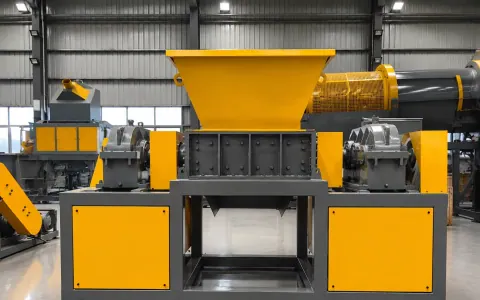
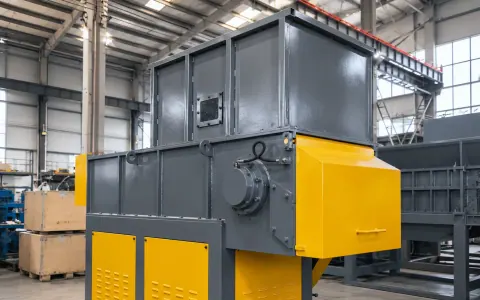
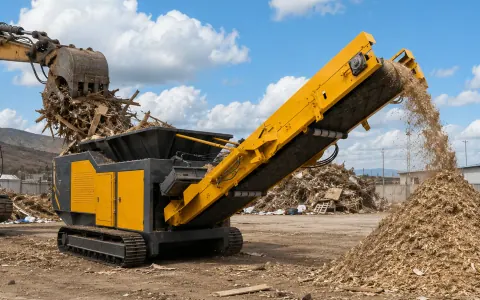
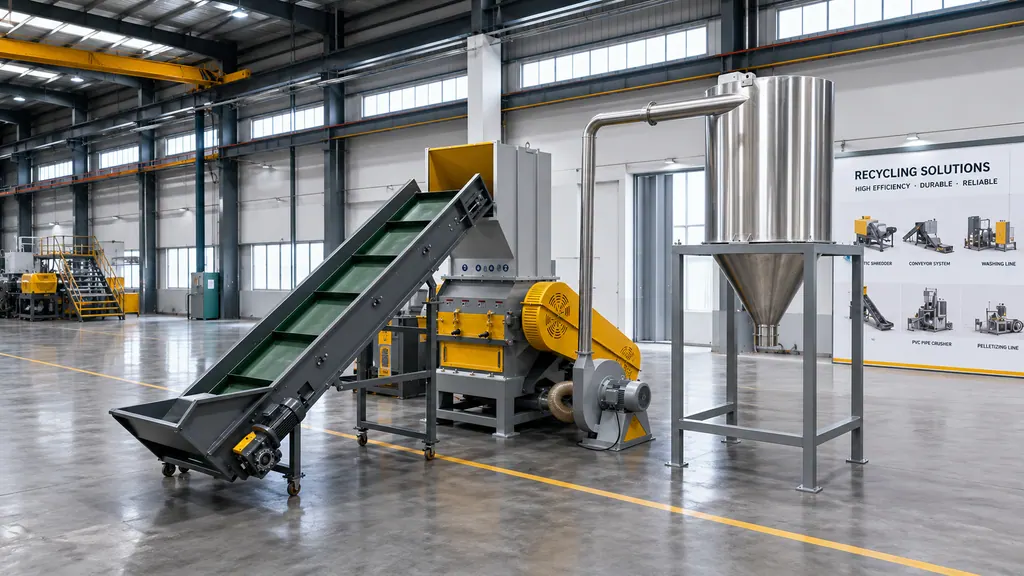
A complete plastics recycling plant is built from several key processing units. Primary processing pairs a heavy-duty double-shaft shredder for coarse size reduction with magnetic separation to remove ferrous contamination, eddy current sorting for non-ferrous metals, and optical sorting for precise identification of plastic types. The core processing unit combines a high-force granulator for fine crushing, friction washers for deep cleaning, high-speed centrifugal dryers for dewatering, and a melt-extrusion system to re-plasticize the material. Fine processing runs twin-screw pelletizing with vacuum degassing for higher purity and electrostatic separation for further cleaning, before a fully automatic packing line finishes the product. Supporting environmental facilities — exhaust treatment, water recirculation and noise control — keep the whole process compliant. From initial crushing through multiple sorting, washing and re-melting stages, the line produces high-quality recycled pellets, with a central control system automating the full process for consistent quality and energy-efficient production.
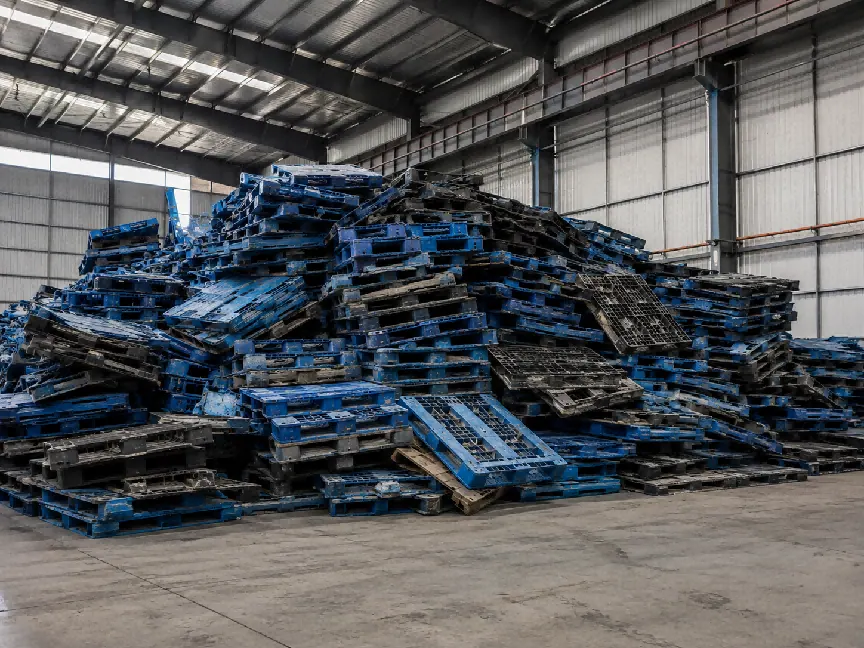
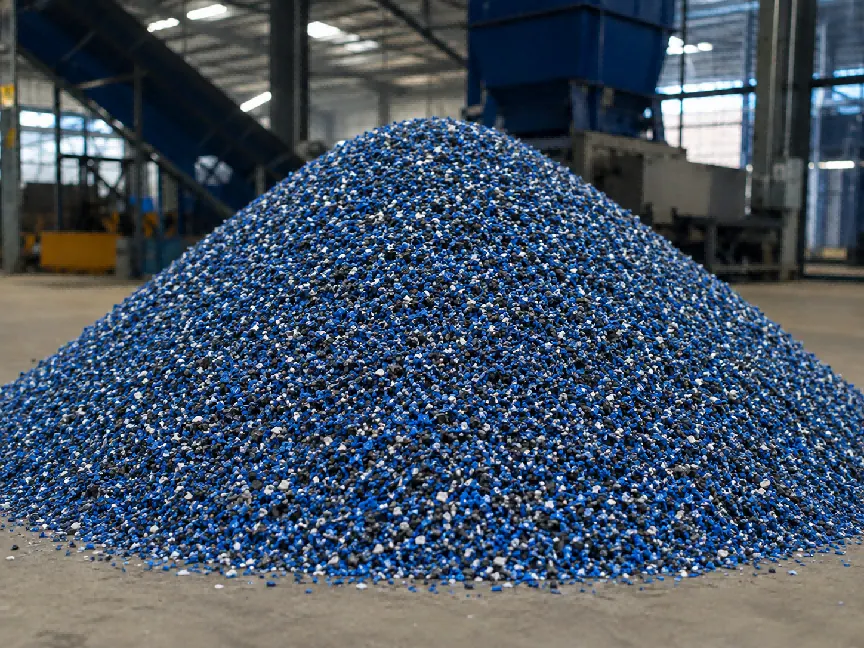
Feedstock Range

Plastics recycling covers a rich variety of feedstocks — chiefly the plastics of everyday life. PET (polyethylene terephthalate) is the most widely used, mainly in beverage bottles and food packaging; HDPE (high-density polyethylene) appears in shampoo bottles, milk jugs and pipe products; PVC (polyvinyl chloride) is common in building materials, wire and cable, and medical supplies; LDPE (low-density polyethylene) goes mainly into bags and packaging film; and PP (polypropylene) is used widely in takeaway containers, automotive parts and household goods. PS (polystyrene) serves foam boxes and disposable tableware, ABS (acrylonitrile butadiene styrene) is used for electronics housings and toys, PC (polycarbonate) appears in water containers and optical lenses, and PA (nylon) goes mainly into textile fiber and industrial parts. After professional recovery and processing, all of these plastics can re-enter the material cycle — cutting pollution and resource waste effectively.

Feedstock Range 1

Applications

Plastics recycling technology now serves many industries and plays a key role in advancing the circular economy. In packaging, recycled pellets go into new beverage bottles, food containers and packaging materials, meeting growing demand for sustainable packaging. The textile industry uses recycled PET fiber for clothing, footwear and home textiles — a sustainable feedstock for fast fashion.

Automotive manufacturers use large volumes of recycled plastics for bumpers, interior trim and electronics housings, reducing vehicle weight and carbon emissions alike. Construction converts recycled HDPE and PP into pipe, floor tile and insulation for green building projects, while the electronics industry uses recycled ABS and PC for product housings and accessories — closing the resource loop.

Applications 1

Tell us your operating conditions to get a tailored solution and quote

A dedicated engineering team responds within 24 hours.

Request a Quote

Contact Us

Tell us about your project and get a tailored equipment solution

Share a few details through the form and our engineers will come back with a solution built around your actual requirements.