What Machines Make Up a Complete Biomass Alternative Fuel Plant? | Jushengding
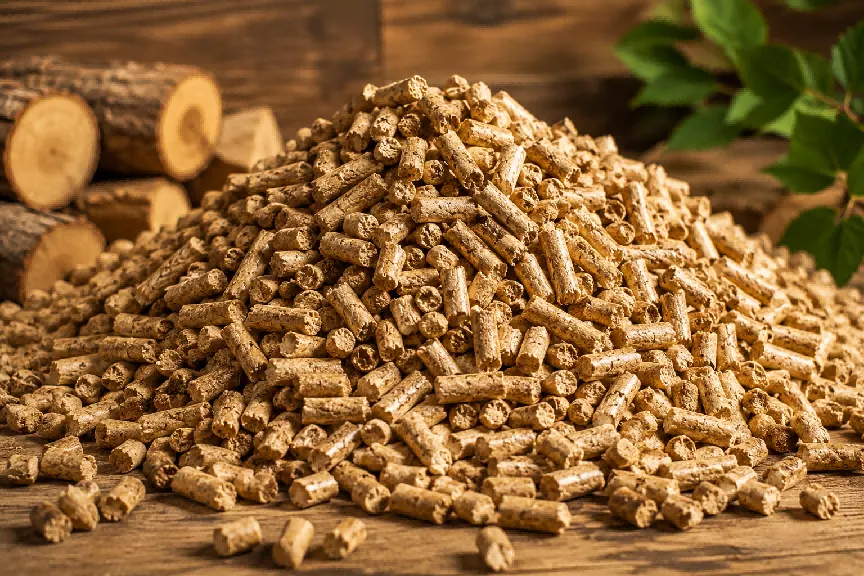
As carbon-neutrality policy takes hold worldwide, industry's need to cut carbon and cost is surging — and the recovery of agro-forestry residues such as straw, mixed wood, green waste, reeds, bamboo offcuts and vine prunings is entering a period of rapid growth. These residues were long piled in the open or burned in the field, occupying storage land while the smoke and particulates brought air pollution and compliance penalties. With a standardized shredding and pre-processing line, low-value agro-forestry waste becomes high-quality biomass alternative fuel for industrial boilers, cement plants, thermal power stations and waste co-processing projects — solving compliant disposal while building a steady renewable-fuel revenue stream. It is a rare project that satisfies both compliance and profit.
Within the complete line, the front-end shredding and pre-processing equipment determines capacity, fuel purity, calorific value and long-term operating cost — and how well it is matched decides the project's overall return.
1. Why Agro-Forestry Biomass Must Be Pre-Processed
Straw, branches and vines share three natural weaknesses: bulky volume, strongly tangling fiber, and contamination with soil, stone and metal. Fed directly into combustion or forming without systematic pre-processing, they cause three operating pains:
- Material wraps and blocks, conveyors stop repeatedly, and line capacity shrinks badly;
- Contaminants wear the forming machine and furnace lining, sending repair costs soaring;
- Uneven particle size burns incompletely, calorific utilization drops, and the fuel sells below market.
A complete standardized pre-processing flow runs four core stages — coarse shredding, fine shredding, multi-deck screening and magnetic de-contamination — turning jumbled feedstock into uniform, low-contaminant biomass base material. Storage footprint and transport costs fall sharply, while combustion efficiency and product premiums rise to their fullest.
2. The Complete Biomass Fuel Line's Core Equipment List
Jushengding configures each line to the customer's feedstock, daily capacity and end use (loose fuel / RDF-derived fuel / biomass pellets). The complete line comprises five modules — conveying, coarse shredding, fine shredding, screening & de-contamination, and forming & baling — each with a clear role:
1. Automated conveying and feeding equipment
Core machines: chain plate conveyor, belt conveyor, variable-frequency vibrating feeder. The foundation of automated operation, feeding large branches and baled straw continuously and evenly in place of manual labor, cutting staffing costs substantially. Variable-frequency control matches feed to the shredder's live load, preventing over-feeding jams and keeping the line running around the clock.
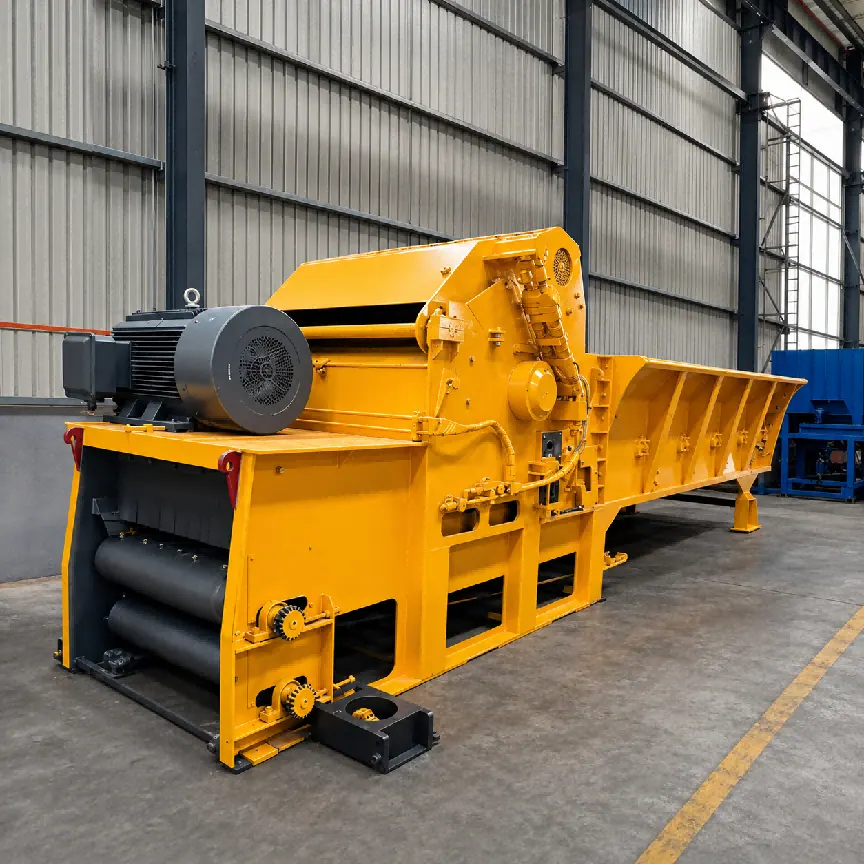
2. Coarse shredding core: the double-shaft biomass shredder
The line's first pre-processing machine, suited to bulky, tangle-heavy feedstock such as corn stalks, rice straw, cotton stalks, whole branches and reeds. Its low-speed, extra-high-torque twin-shaft shear structure cuts tangled fiber and large timber decisively and compresses volume fast. Custom wear-resistant cutters tolerate mixed agro-forestry waste containing traces of plastic and mulch film. Uniform coarse output eases the fine-shredding stage and lifts whole-line efficiency.
3. Fine processing equipment
Coarse material is not yet finished fuel — it needs secondary fine shredding for optimal sizing. Mainstream machines: the single-shaft fine shredder and ring-hammer mill. Finely processed material is controlled and highly uniform, meeting production standards for loose biomass fuel, RDF/SRF industrial alternative fuel and pellet feedstock alike — burning more completely and commanding better purchase prices.
4. Integrated multi-deck screening and magnetic de-contamination
Collection and handling inevitably mix in soil, stone, wire and farm-machinery metal — hard contaminants that rapidly wear fine-shredding and forming equipment. The de-contamination system runs three cleaning stages: trommel screen, de-soiling vibrating screen and high-strength magnetic separator. Screens part soil and stone; magnets capture wire and metal automatically — outputting clean, low-contaminant biomass that extends downstream machine life and stabilizes fuel quality.
5. Fuel forming, compression and baling equipment
Configured to sales and storage needs, in three classes:
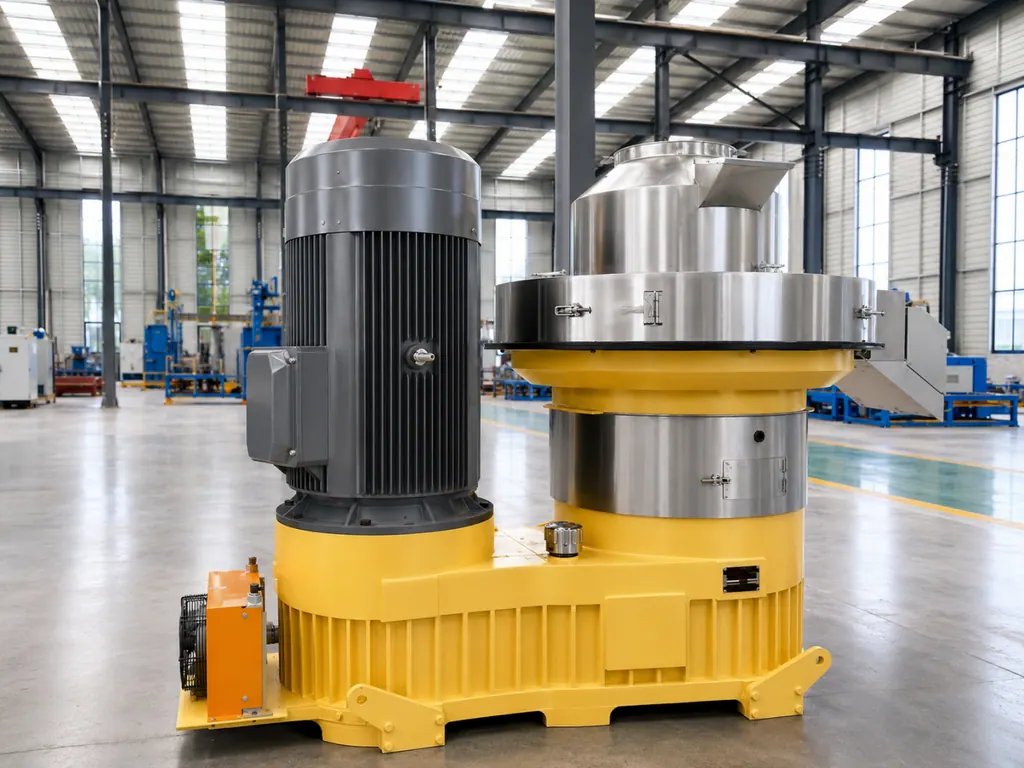
- Biomass briquetting machine: presses fine biomass into high-density fuel blocks for bulk purchase by cement and power plants;
- Biomass pellet machine: produces clean pellet fuel, in strong demand for household and small-boiler use;
Vertical hydraulic baler: compresses loose fine material into bales, cutting storage and long-haul logistics costs. Formed biomass fuel is dense, compact to stack and low-loss in transport — essential equipment for projects selling at scale.
3. Feedstocks Suited to Jushengding Biomass Lines
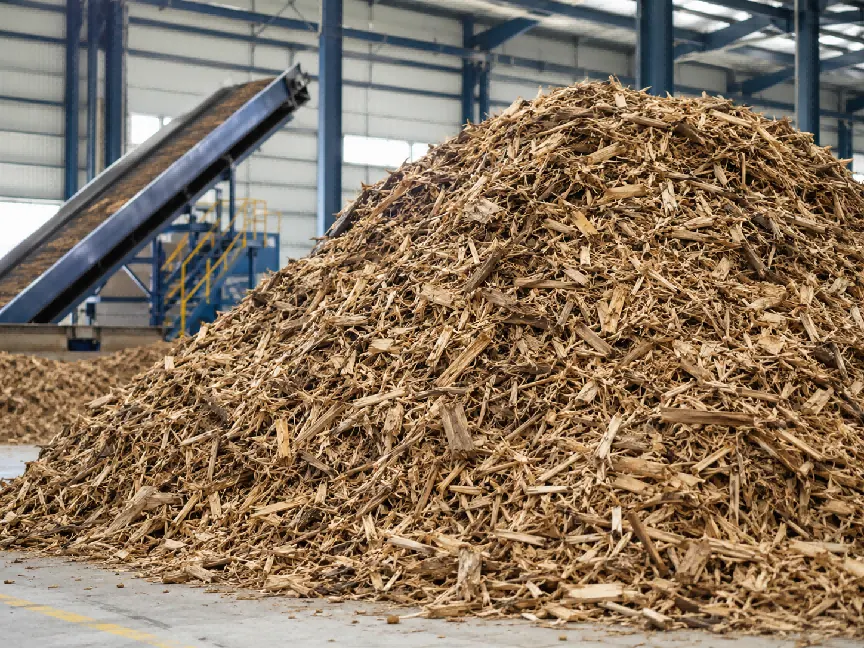
Jushengding's biomass pre-processing lines go well beyond crop straw, handling combustible solid waste across agriculture, forestry, husbandry and industry in one stop:
- Agro-forestry: garden branches, sawdust and bamboo/wood offcuts, palm shells, coconut shells and fruit/vegetable vines;
- Husbandry: cattle manure and spent mushroom substrate;
- Mixed solid waste: mulch film mixed with straw, and light combustible industrial waste.
Feedstocks differ widely in fiber hardness, moisture and tangling. Jushengding adjusts cutters, screens and power configuration against actual site samples and designs a dedicated line — avoiding the capacity shortfalls, blockages and off-spec output that generic equipment brings.
4. Industry Trends and Equipment Selection Advice
With carbon policy at their back, industrial coal-substitution demand keeps climbing, and agro-forestry biomass fuel projects grow steadily more compliant and more profitable. Many operators buy a lone shredder without screening and de-contamination — and end up with over-contaminated fuel, limited sales channels and constant repairs. A complete, well-balanced biomass equipment set is what secures long-term stable profit. With years of solid waste equipment R&D and full command of the biomass fuel process, Jushengding provides one-stop service — line layout design, equipment customization, installation and commissioning, and lifetime maintenance — matched to your daily capacity, feedstock, site, emission standards and fuel sales channels, helping your biomass fuel project land efficiently.
If you are planning an agro-forestry biomass fuel line, contact Jushengding anytime for capacity assessment, equipment configuration and investment analysis.