
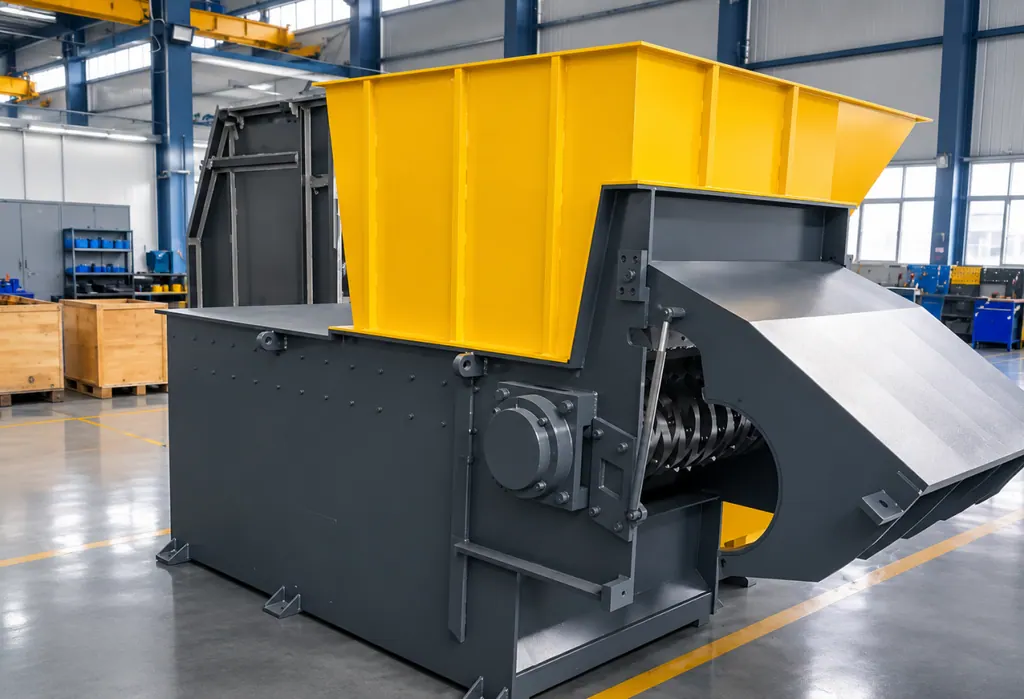
What Can a Plastic Crushing Line Process, and What Equipment Does It Include? | Jushengding
The global plastics recycling industry keeps expanding: pelletizing, plastic-derived RDF fuel and recycled-plastic sales have become mainstream, profitable routes in waste processing. Daily life, industry and packaging generate huge volumes of mixed waste plastic — and without systematic crushing, sorting and purification, that mixed material stays contaminated, low in purity and heavily discounted at sale. A standardized plastic crushing, washing and sorting line delivers volume reduction, contaminant removal, metal separation and dust collection, substantially raising recycled-plastic purity and overall project returns. Jushengding builds customized complete plastic crushing lines for feedstocks of every kind, combining shredding, granulation, sorting and dust-control equipment into a one-stop answer to plastic waste recovery.
1. All the Feedstocks a Plastic Crushing Line Can Process
Jushengding's complete plastic crushing line is highly versatile, handling household plastics, industrial plastics, packaging waste and mixed plastic solid waste:
1. Rigid industrial plastics
Pipe, sheet, injection-molding offcuts, housings (appliance shells / e-bike bodies / oil drums), pallets, turnover crates, uPVC scrap, PET bottles, HDPE drums and bumpers.
2. Soft films
Greenhouse film, stretch wrap, courier bags, food bags, PVC soft film, tarpaulin, woven bags and jumbo bags.
3. Mixed composite plastic waste
Plastic parts with metal clips, sandy plastic waste, aluminum-plastic laminate, cable sheathing, waste plastic windows and doors, and mixed household plastics.
4. Special combustible plastic feedstock
Plastic crumb for RDF/SRF alternative fuel, foamed plastics, polystyrene foam and disposable food containers.
Plastics vary widely in hardness, thickness and tendency to wrap. Jushengding matches double-shaft and single-shaft shredder combinations to the feed mix, avoiding blockage, capacity shortfalls and off-spec output size.
2. The Complete Line's Core Equipment in Detail
A full plastics recycling process runs five stages — coarse shredding, fine granulation, metal sorting, light/heavy separation and dust collection — with seven classes of core equipment working in concert:
1. Double-Shaft Shredder (front-end coarse shredding)
The first pre-processing machine on the line, built for low-speed, high-torque shear shredding. Suited to large, thick or wrap-prone plastics: baled agricultural film, large pallets, big drums, whole appliance housings and rolled tarpaulin. Role: tears oversized plastic down to size, opens up tangled material and produces coarse pieces that lighten the load on the single-shaft shredder and granulator downstream. Wear- and impact-resistant cutters tolerate minor metal contamination without jamming.
2. Single-Shaft Shredder (mid-stage intermediate shredding)
Takes the coarse output of the double-shaft shredder and refines it to a controlled, uniform size. Suited to rigid plastic lumps, hollow parts and pipe fragments; its finer output feeds the granulator directly, and it is widely used in small and mid-sized recycling plants and ahead of pelletizing.
3. Plastic Granulator (fine granulation)
The line's precision-processing core, converting intermediate material into uniform plastic granules or flakes that meet pelletizing and resale size standards. It grinds PET bottles, offcuts and thin sheet at high speed, with a water-cooled chamber that stops heat from melting plastic onto the knives — producing clean, consistent regrind, indispensable for recycled-plastic sales and pelletizing.
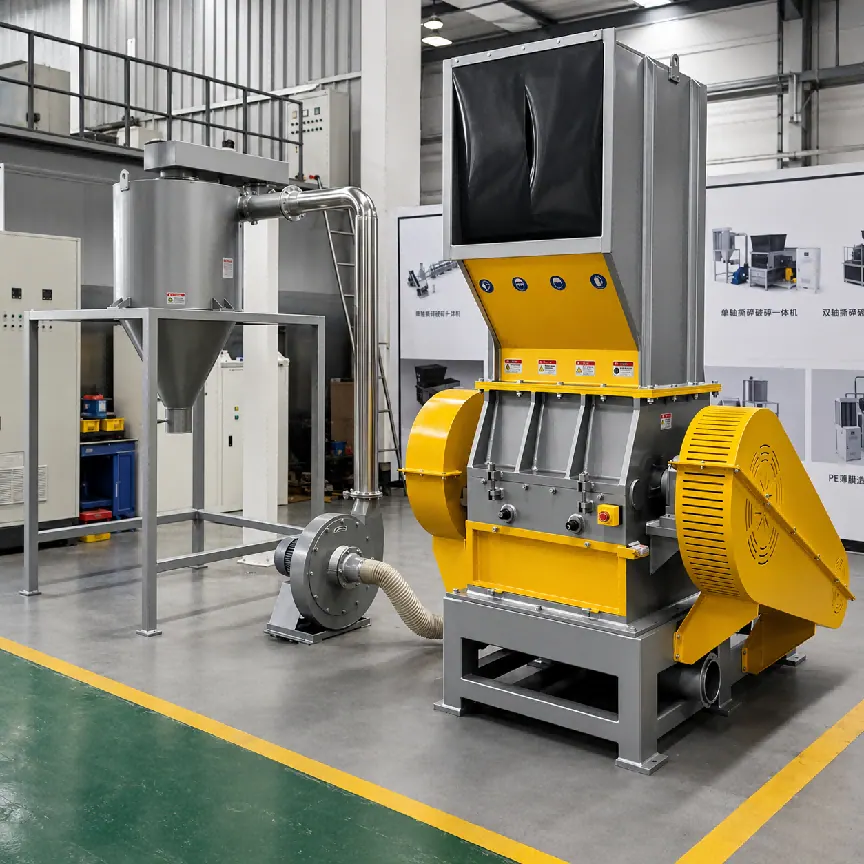
4. Magnetic Separator (ferrous contaminant removal)
Plastic feedstock almost always carries screws, nails, sheet iron and metal clips — and tramp iron entering a granulator quickly damages the rotor. Mounted at the shredder discharge, the magnetic separator's high-strength drum captures all ferrous metal and discharges it automatically, protecting the granulator and raising feed purity.
5. Air Separator (light/heavy air classification)
Crushed plastic carries a blend of flakes, sand, paper fluff, foam, light film and heavy rigid lumps. The air separator classifies by density, automatically parting light film, paper and dust from hard plastic — the two streams are collected and sold separately, lifting revenue twice over and solving the stubborn film-versus-rigid mixing problem.
6. Eddy Current Separator (non-ferrous metal removal)
A magnetic separator only removes iron — it cannot part aluminum, copper or zinc (aluminum-plastic laminate, aluminum inserts, cable copper). The eddy current separator uses electromagnetic induction to extract these non-ferrous metals precisely: the metal sells separately, the plastic is purified, and the recycled material commands a far better price — standard equipment on any high-value plastics line.
7. Pulse Dust Collector (line-wide dust control)
Shredding, granulation and air classification all raise plastic dust and debris that fail emission standards, and accumulated dust is an explosion risk. The pulse dust collector encloses and captures dust across the whole line with automatic cleaning and no fugitive emissions — passing plant environmental inspection, improving the workshop environment and avoiding compliance shutdowns.
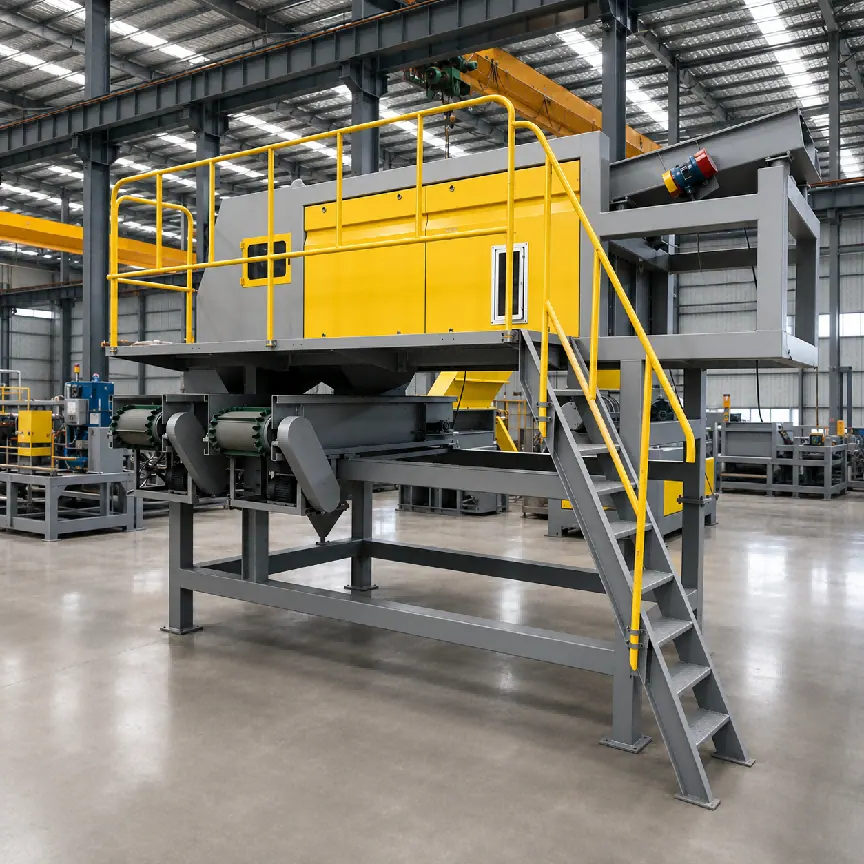
3. Equipment Configurations for Different Feedstocks
- Mostly soft film, jumbo bags and stretch wrap: double-shaft shredder + air separator + pulse dust collector; add a granulator, magnetic separator and eddy current separator if pelletizing.
- Mostly rigid drums, appliance housings and pipe: double-shaft shredder + single-shaft shredder + granulator + magnetic separator + eddy current separator + dust collector.
- Aluminum-plastic laminate and metal-contaminated plastics: the full seven-machine line, with magnetic plus eddy current double metal removal and air classification for light contaminants.
- Small pelletizing plants: single-shaft shredder + granulator + basic magnetic separator + pulse dust collector.
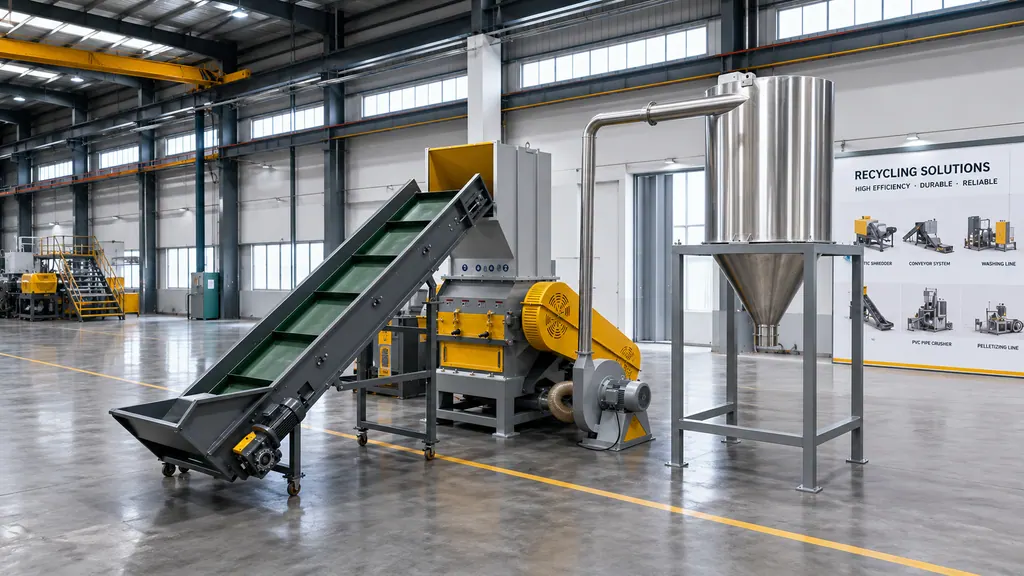
4. Jushengding's Customization Advantages for Plastic Crushing Lines
The core profit in plastics recycling comes from purity — a lone crusher cannot remove metal, film and dust contamination, and impure regrind sells slowly at a discount. Jushengding specializes in complete plastics recycling equipment, covering the full range of shredding, granulation, metal sorting, air classification and dust control:
- Equipment combinations tailored to feed type, daily capacity and site footprint — no padding with unnecessary machines, keeping plant investment under control;
- Fully interlinked automated conveying that cuts labor and runs stably around the clock;
- A pulse dust-collection system across the whole line, compliant as delivered with no extra environmental retrofit;
- One-stop service covering line layout design, installation and commissioning, ongoing maintenance and wear-part replacement.
If you are planning a plastics recycling plant and want capacity assessment and a tailored crushing-line configuration, contact Jushengding anytime for a detailed proposal and quotation.